A 501(c)(3) Global Youth Movement

Empowering Minds.
Transforming
Global Health.

A youth-led global movement advancing neurological healthcare equity, neuroscience education, mental health advocacy, and sustainable systems change across 27+ countries.

Collaborated with
WHO·UN·World Bank·
0
Patients & Community Reached
0
Cases Supported
0
HEALTHCARE & EDUCATIONAL IMPACT, GRANTS, DONATIONS RAISED
0
Students at NeuroCamps
0
Global Ambassadors
0
Chapters Worldwide
0
Clinics Collaborated With
0
Countries Reached
01 — About

A globally connected, youth-led movement.

Mind Matters Foundation is a 501(c)(3) advancing neurological healthcare equity, public health advocacy, youth leadership, and neuroscience education through interdisciplinary collaboration and community-driven innovation.

Operating across 27 countries
On the ground · In the rooms where it happens
Mind Matters Foundation Executive Director pictured with UN Youth Office Director, Paul Felipe

Mind Matters Foundation Executive Director pictured with UN Youth Office Director, Paul Felipe

Mind Matters Foundation Executive Director pictured with UN Youth Office Director, Paul Felipe

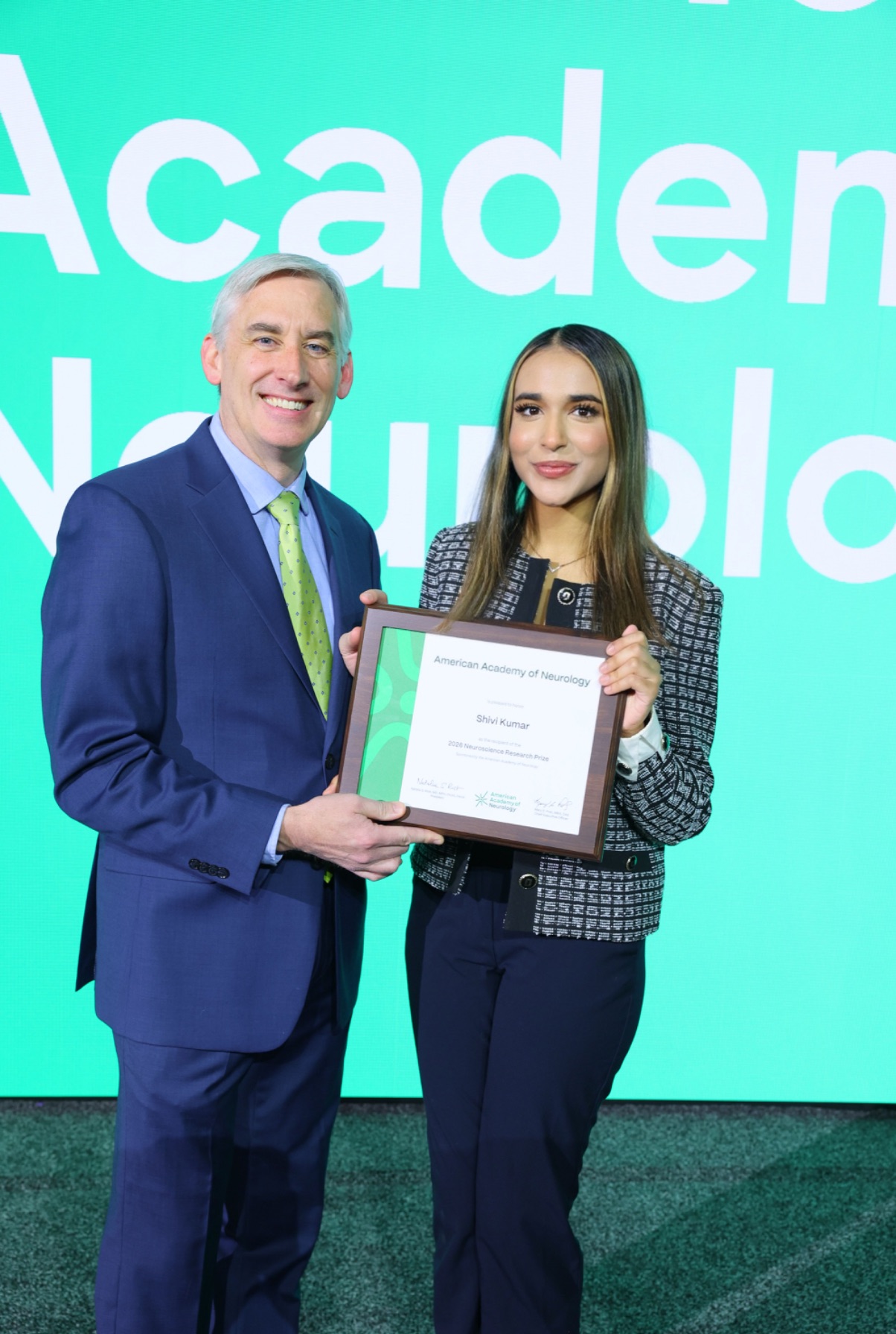
AAN Presidential Plenary Session — receiving recognition from the American Academy of Neurology

AAN Presidential Plenary Session — receiving recognition from the American Academy of Neurology

AAN Annual Meeting — Where neurology comes together

AAN Annual Meeting — Where neurology comes together

UN Women For All Women and Girls — UN General Assembly Hall

UN Women For All Women and Girls — UN General Assembly Hall

AiMIFY by Bracco & Subtle Medical — AI-powered MRI contrast enhancement

AiMIFY by Bracco & Subtle Medical — AI-powered MRI contrast enhancement

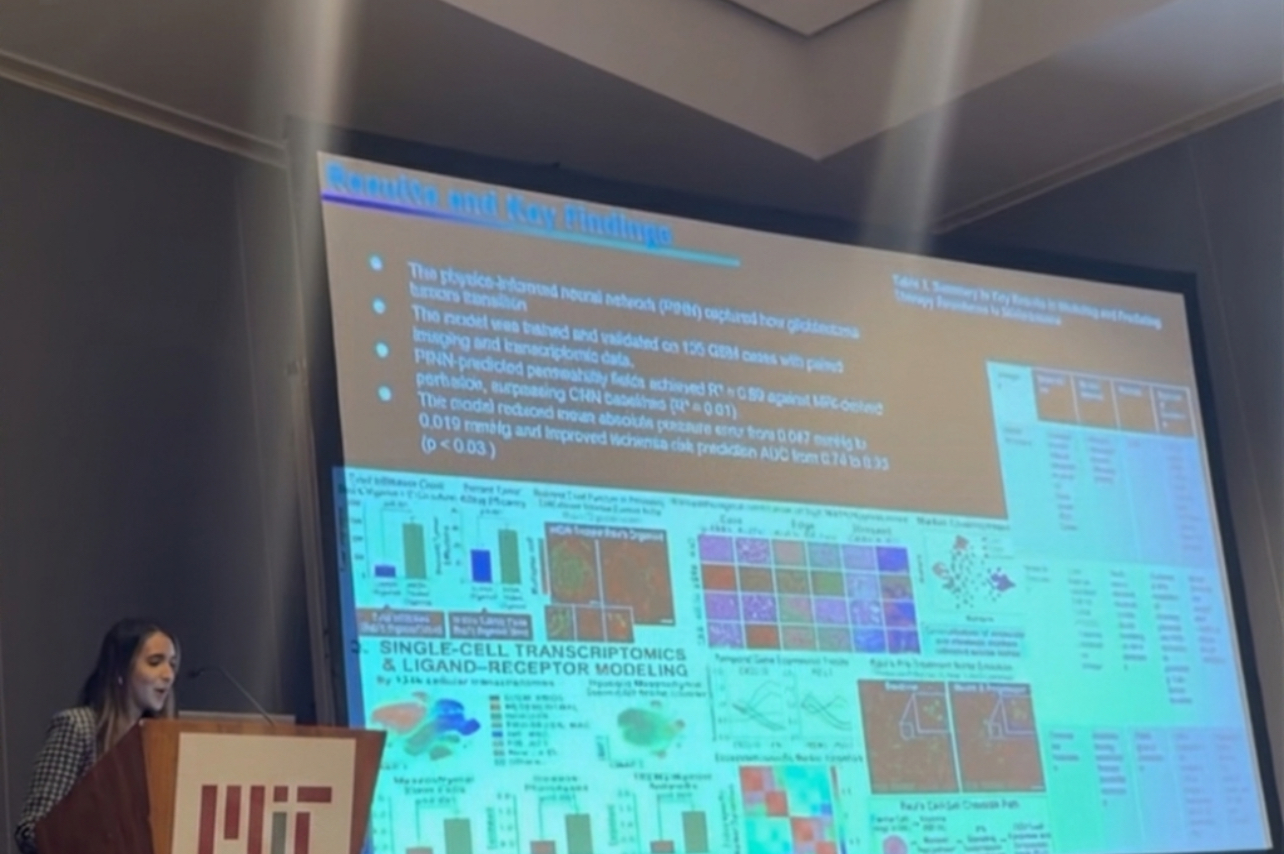
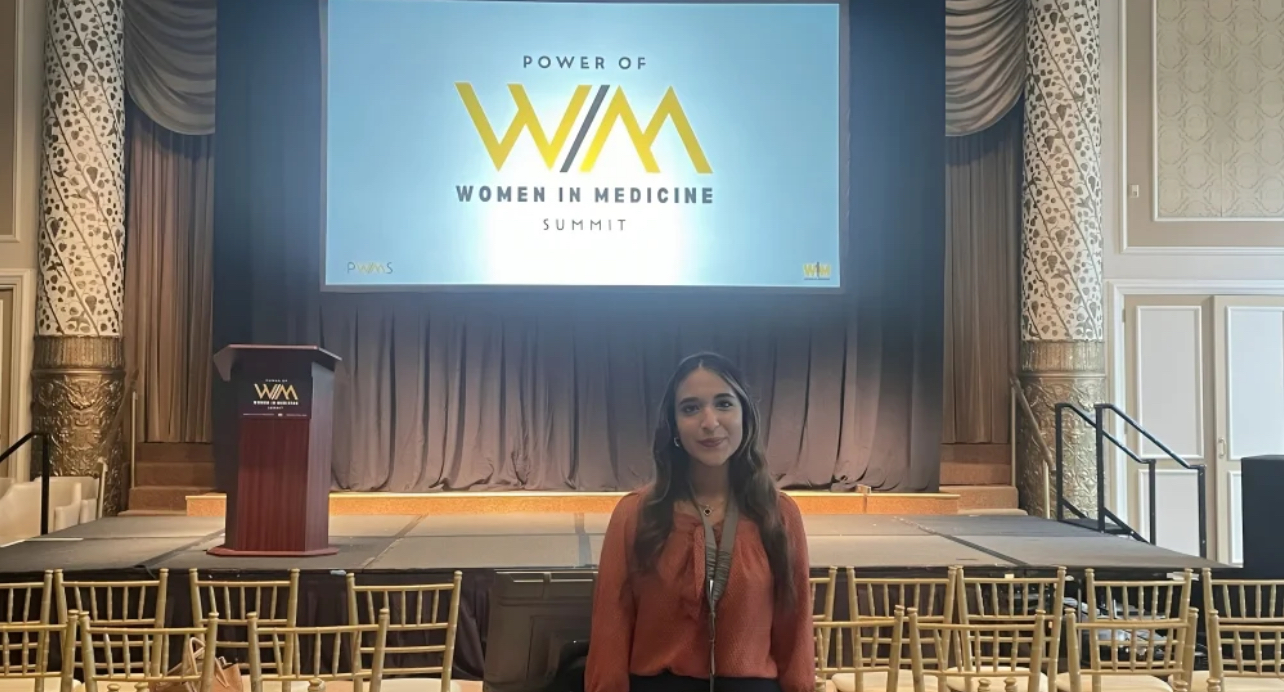
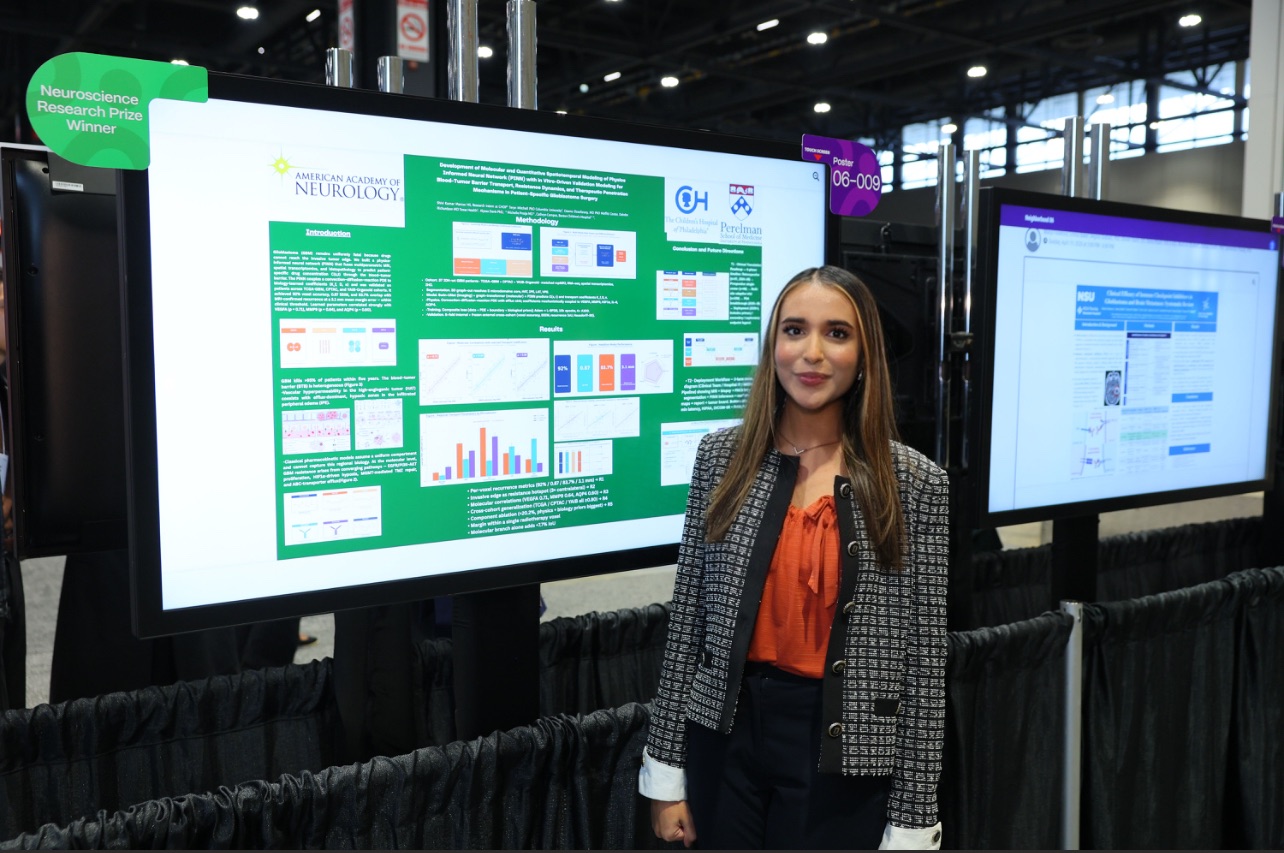
Presenting Physics-Informed Neural Networks research at ASNR Annual Meeting

Presenting Physics-Informed Neural Networks research at ASNR Annual Meeting

Speaking at the Harvard Kennedy School Institute of Politics

Speaking at the Harvard Kennedy School Institute of Politics

Meeting with Representative Ami Bera, MD on Capitol Hill

Meeting with Representative Ami Bera, MD on Capitol Hill

IMF & World Bank Group Spring Meetings 2026, Washington DC

IMF & World Bank Group Spring Meetings 2026, Washington DC

World Bank Economic Forum — Spring Meetings 2026

World Bank Economic Forum — Spring Meetings 2026

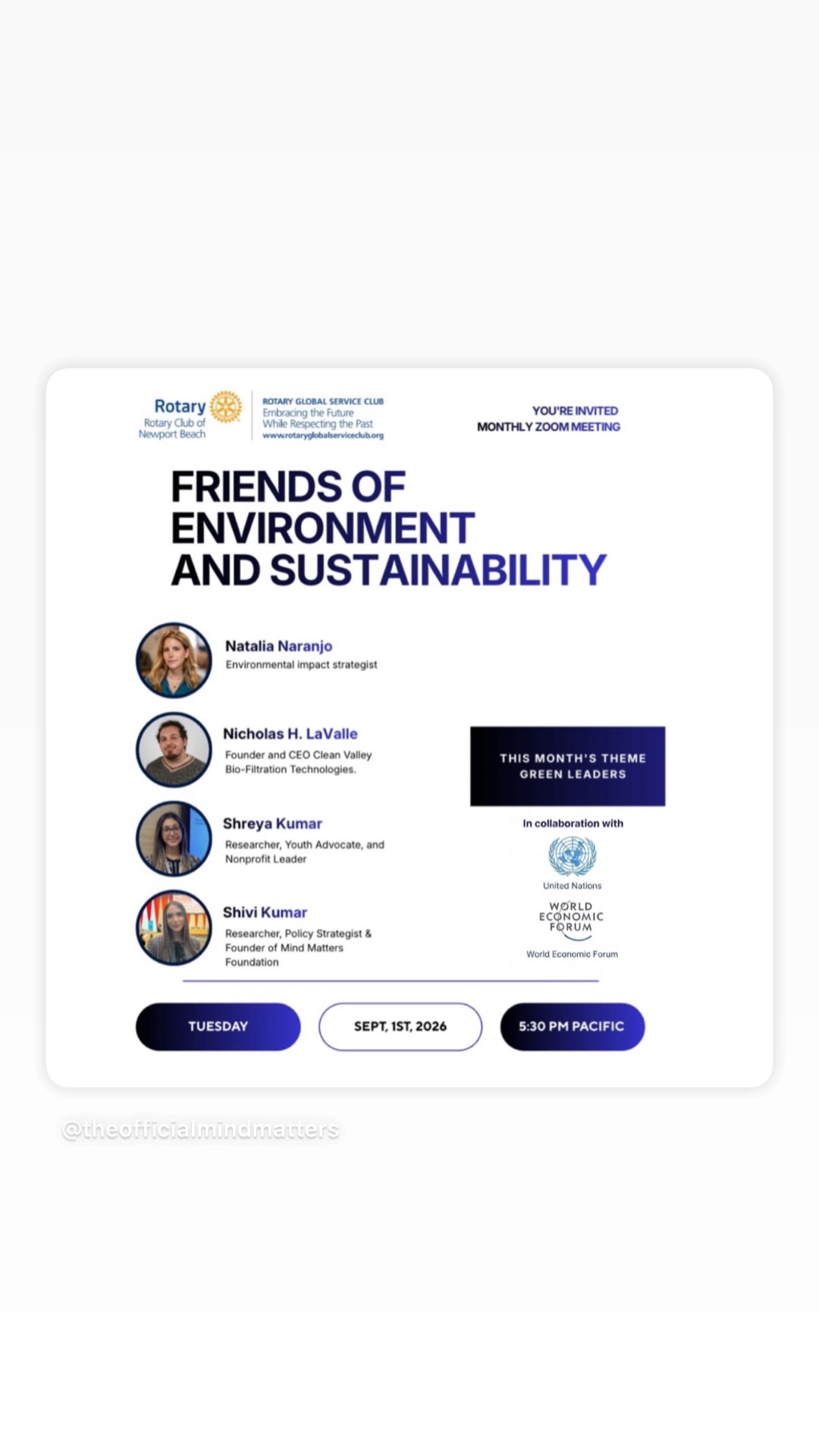
EarthX 2026 — Mind Matters Foundation & SDG Youth Council at Rotary Clubs

EarthX 2026 — Mind Matters Foundation & SDG Youth Council at Rotary Clubs

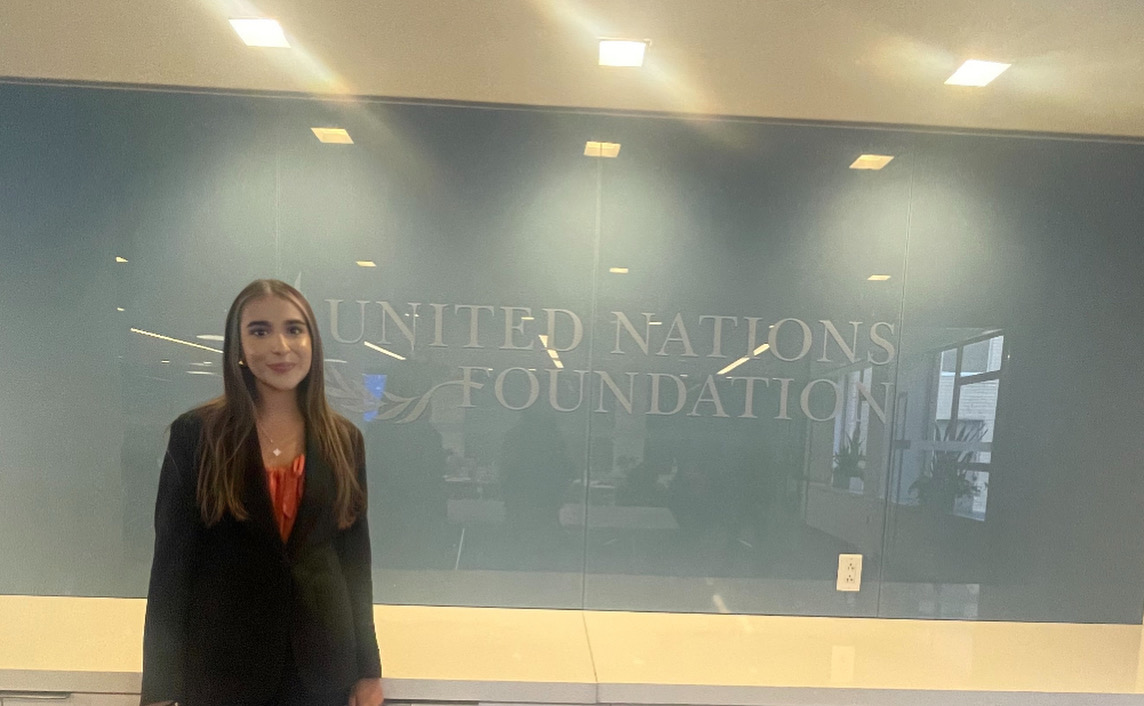
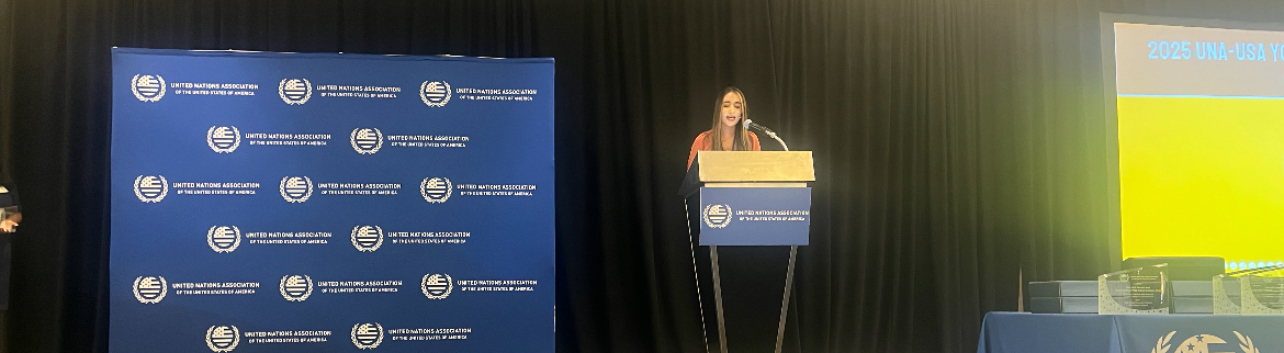
Mind Matters at the United Nations Association of the USA

Mind Matters at the United Nations Association of the USA

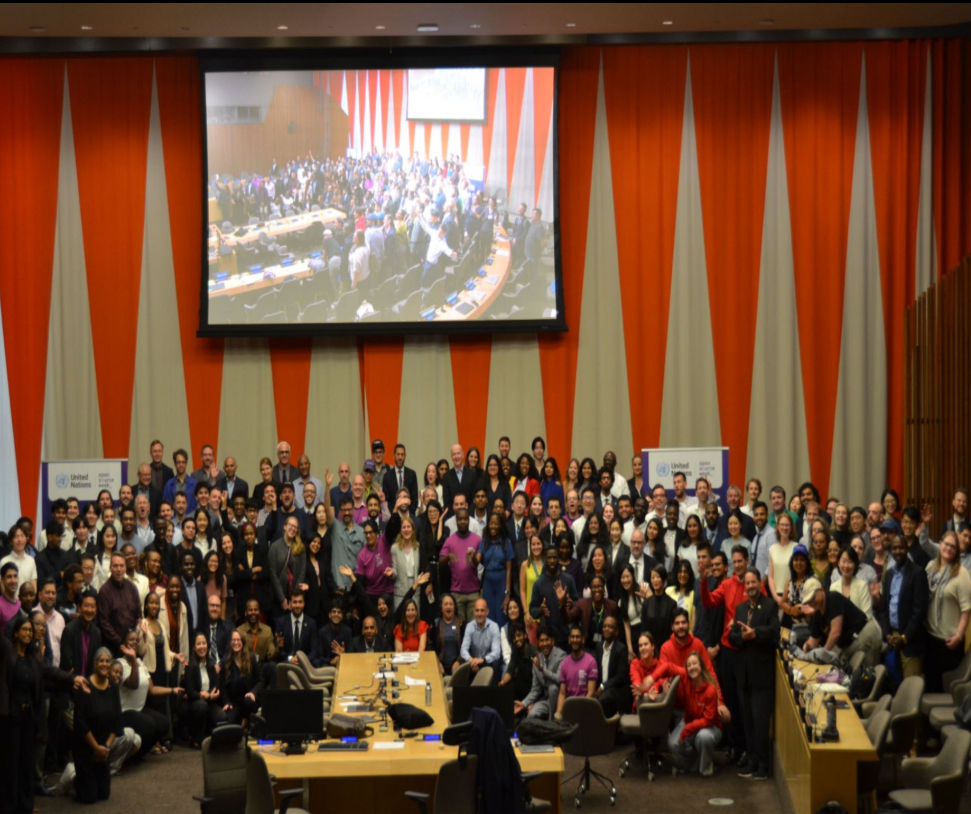
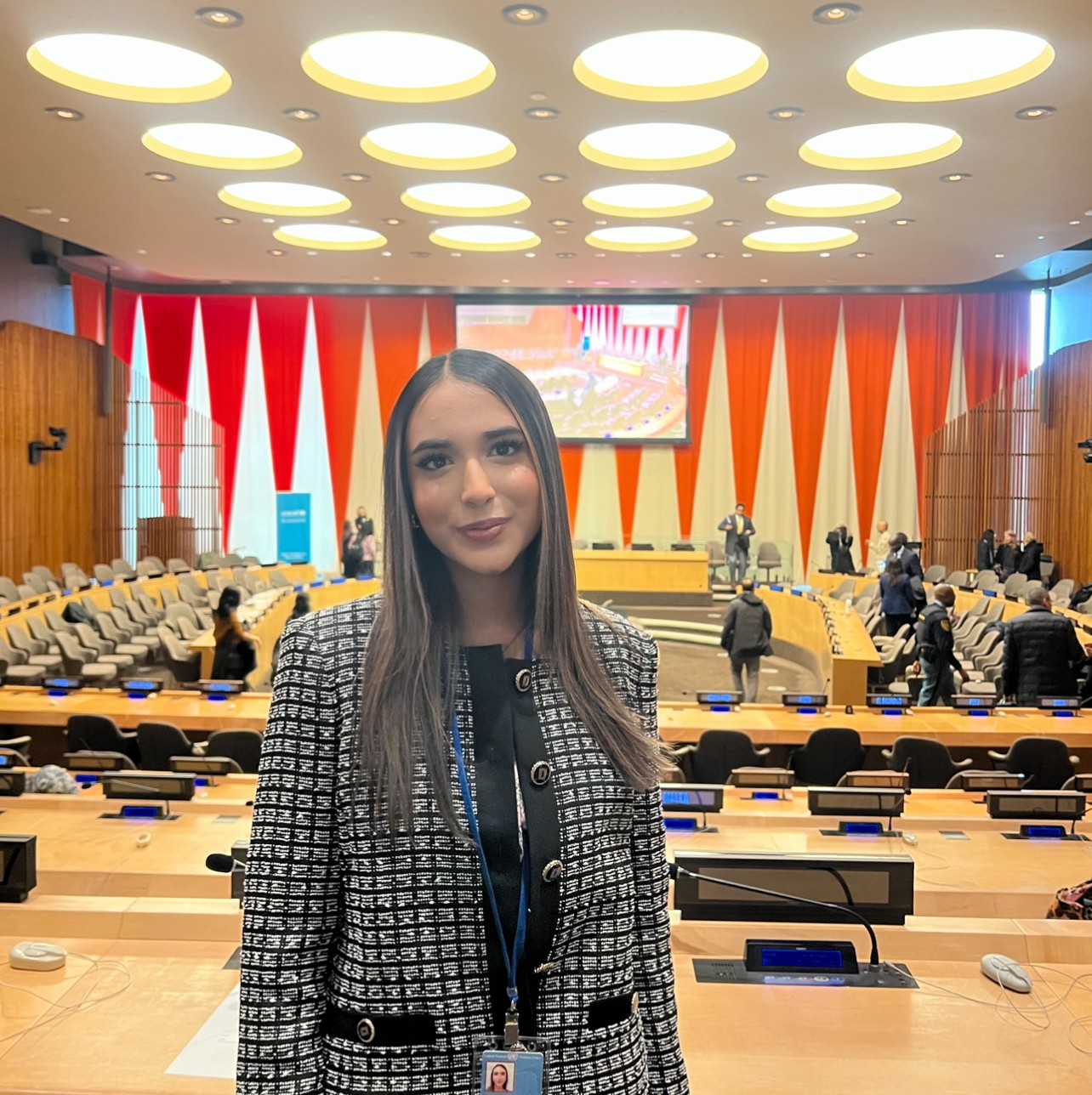
United Nations chamber convening

United Nations chamber convening

UN Women convening at the United Nations

UN Women convening at the United Nations

Stanford Medical School Neurosurgery Innovation Awards

Stanford Medical School Neurosurgery Innovation Awards

Presenting research at the American Society of Neuroradiology

Presenting research at the American Society of Neuroradiology

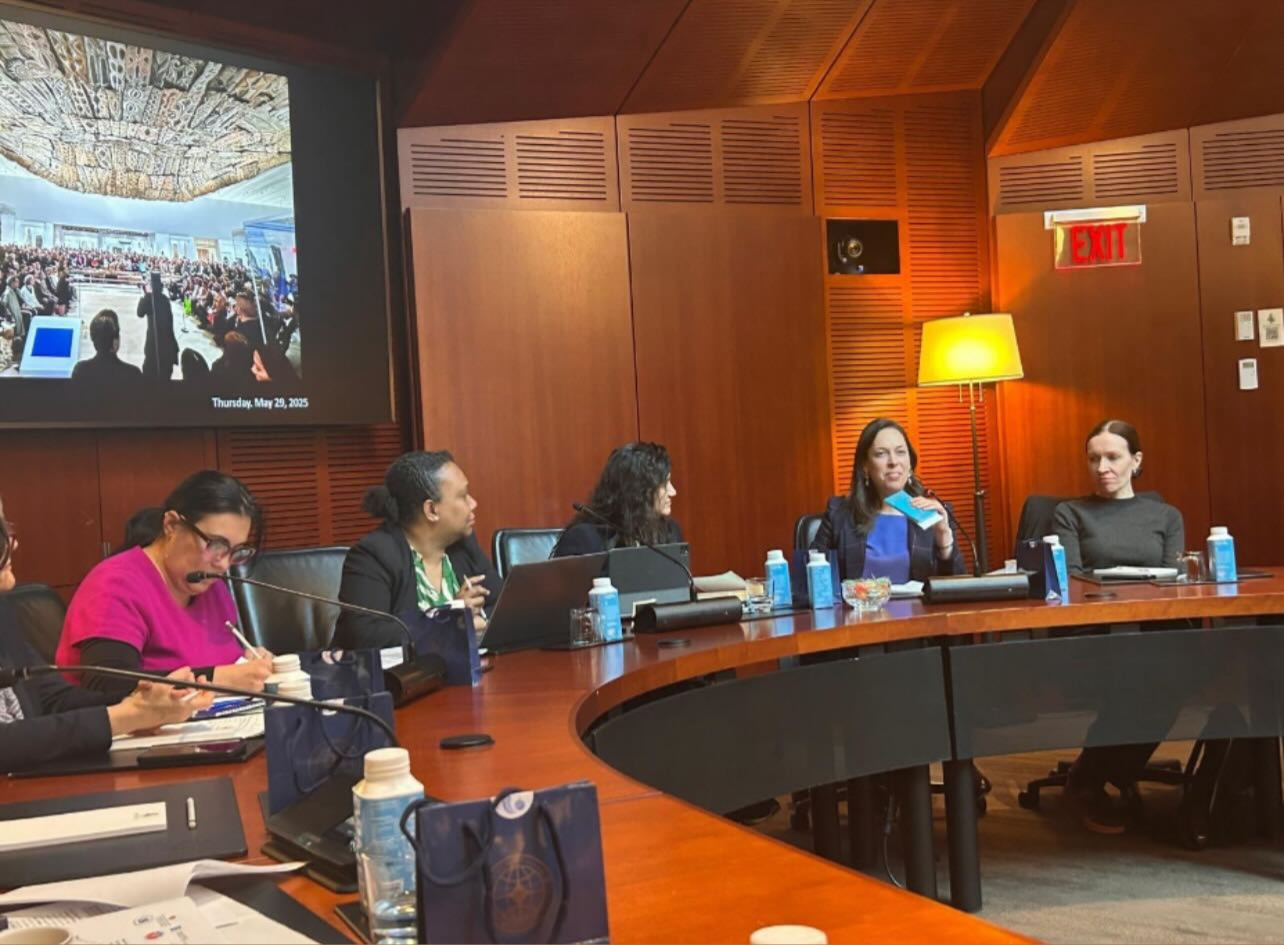
United Nations roundtable discussion

United Nations roundtable discussion

UN STI Forum on Science, Technology & Innovation for the SDGs

UN STI Forum on Science, Technology & Innovation for the SDGs

IMF & World Bank Group Spring Meetings, Washington DC

IMF & World Bank Group Spring Meetings, Washington DC

Panel at the GIRL Institute

Panel at the GIRL Institute

Youth panel at Environmental Xperience at EarthX

Youth panel at Environmental Xperience at EarthX

02 — Leadership

Meet our Founder & Executive Director.

Shivi Kumar, Founder & Executive Director of Mind Matters Foundation
Shivi Kumar
Founder & Executive Director
Stanford MedicineCHOP · Penn MedicineHarvard Medical SchoolMIT / HST EcosystemUnited Nations

Shivi Kumar is a neuroscience, neurosurgery, global health, and policy researcher dedicated to advancing neurological healthcare access, translational medicine, and youth-driven advocacy. She currently serves as a Department of Neurosurgery research intern at Stanford Medicine, conducts neuro-oncology and therapeutic research in the Qian Lab at the Children's Hospital of Philadelphia and the University of Pennsylvania, and works with Harvard Medical School's Plastic Surgery Innovation Lab on angiogenesis modeling research in silico and in vitro. She has also conducted neuroscience research through collaborations connected to the Massachusetts Institute of Technology and the Harvard–MIT HST ecosystem.

Her interdisciplinary work spans neuroscience, bioethics, public policy, and international law, with more than 18 scientific and policy publications focused on medicine, healthcare systems, and ethical innovation. Alongside her research, she serves as one of the youngest co-chairs across multiple United Nations–affiliated committees and has delivered interventions at United Nations Headquarters on global health, youth leadership, healthcare equity, and science policy.

Shivi is Founder of the Mind Matters Foundation, a global nonprofit focused on expanding neuroscience education, neurosurgical health awareness, healthcare accessibility, and clinical advocacy initiatives nationwide and internationally. Through MMF and related collaborations, she has helped support and engage communities reaching more than 120,000 individuals.

She also serves in leadership and advisory roles including congressional youth policy initiatives, the UNITY Advisory Board, Rotary research leadership initiatives, the American Heart Association advisory network, and the Girls Institute Board. Her work has been recognized through honors including the UNA-USA Young Leaders Award, the American Academy of Neurology Neuroscience Research Prize, and finalist distinctions at major international medical and neurosurgical conferences.

120K+
Lives reached
18+
Publications
UN
Committee co-chair
Neuro Camps & Educational Events

Where curiosity about the brain becomes a movement.

Mind Matters Foundation runs immersive neuroscience education camps, workshops, and research intensives that reach students across continents — turning classrooms and communities into launchpads for future neuroscientists, clinicians, and advocates.

In-person & virtual camps
Year-round programming
Peer mentorship built in

NeuroCamps

Immersive, hands-on neuroscience camps that introduce students to brain anatomy, neurophysiology, and clinical case studies — sparking curiosity in the next generation of neuroscientists.

80,000+ students reached

Educational Workshops

Interactive seminars and skill-building sessions led by researchers, clinicians, and medical students — covering topics from neuroanatomy to mental health literacy.

Workshops in 27+ countries

Research Intensives

Summer and after-school research programs that pair youth with mentors in university labs, teaching experimental design, data analysis, and scientific communication.

Lab partnerships worldwide

Youth Summits

Annual gatherings that bring together young advocates, scientists, and policy fellows for keynote talks, breakout sessions, and collaborative project sprints.

Growing global network
03 — Our Team

A global team of scientists, students, and changemakers.

Mind Matters Foundation is built by an interdisciplinary network spanning governance, scientific advisory, collegiate research, and high school advocacy — united around neurological health equity and youth-driven systems change.

Governance leadership setting strategic direction, fiduciary stewardship, and long-term institutional vision for the Foundation.

Kerry Calkins
Kerry Calkins
Education & Research Director (USA)
Stanford Medical School (incoming MD-PhD) · USF Morsani
Yone Aung
Yone Aung
Board Member
Brown University · Psychology & Neuroscience
Zachary Weaver
Zachary Weaver
National Civic Forum Fellow
Rotaract · SDG Youth Council (Co-Chair) · EarthX Speaker
Maia Cooke
Maia Cooke
Advisor for Legal & Policy Engagement (Global Board)
Yale Law School · Equal Citizens (Executive Director) · Harvard Law (Research Assistant to Lawrence Lessig)
Shreya Kumar
Shreya Kumar
Co-Founder & COO
Aanya Choudary
Aanya Choudary
Director of Philanthropy Engagement
The University of Texas at Austin · Engineering
Teryn Mitchell
Teryn Mitchell
Medical Research Chair
PhD Candidate, Columbia University · B.A., Wellesley College
Join the Board of Directors.
We're actively recruiting members. Share your name, bio, and headshot to be featured.
Global & International Engagements

International initiatives shaping health equity.

Mind Matters Foundation drives policy dialogue and youth representation across the United Nations, clinics, and global partners — translating grassroots advocacy into institutional change for neurological and mental health access worldwide.

UN Forums

Mind Matters representatives advocate for neurological health equity at United Nations forums, shaping youth-focused policy recommendations on global mental health and neurosurgical access.

Clinics

Supporting frontline clinical care through volunteer programs, equipment drives, and partnerships that expand access to neurology and mental health services in underserved regions. 

Advocacy

Driving policy dialogue and grassroots campaigns that elevate youth voices on brain health, mental wellness, and equitable access to neurosurgical care worldwide.

Education

Launching neuroscience chapters, curricula, and speaker series that bring brain health literacy to students across high schools, universities, and community programs globally.

NeuroCamps

Immersive camps and educational events introducing students to neuroscience, clinical exposure, and research mentorship — sparking the next generation of brain health leaders.

NGO Collaboration

Partnering with non-governmental organizations across continents to share resources, co-host programming, and amplify impact on neurological and mental health access.

Rotary Initiatives

Strategic collaboration with Rotary clubs worldwide to expand neuroscience education chapters, fund neurosurgical capacity-building, and support community mental health programs.

02 — Mission & Vision

What guides our work across continents.

Our Mission

Advance equitable neurological healthcare, neuroscience education, mental health advocacy, and youth-led systems change globally.

Our Vision

A world where every young person has access to healthcare knowledge, leadership opportunities, mental health support, and equitable neurological care — regardless of geography or socioeconomic status.

03 — Impact Dashboard

Live, transparent, globally distributed.

A snapshot of our footprint across research, education, advocacy, and clinical partnerships across 27 countries.
Global impact map
United States
40+ high school · 40+ collegiate · 2 medical school chapters
Canada
U. of Toronto, East Vancouver, 30 HS across Ontario, Manitoba & Ottawa
Mexico
Community chapter
Brazil
Community chapter
Argentina
Community chapter
Chile
Community chapter
United Kingdom
Largest international chapter hub
France
Chapter network
Monaco
Advocacy partner
Belgium
Chapter network
Switzerland
Chapter network
Germany
Chapter network
Italy
Chapter network
Portugal
Chapter network
Spain
Chapter network
Albania
Community partnership
Turkey
Chapter network
UAE
Regional chapter
Iran
Community partnership
Ghana
Clinical & education partnership
Nigeria
Clinical & education partnership
Sudan
Community partnership
India
Clinics & chapter network
Bangladesh
Clinics & chapter network
Pakistan
Clinics & chapter network
China
Chapter network
Thailand
Chapter network
Chapter / Partnership Largest Hub Live
0
Countries Reached
0
Clinic Partnerships
0
Youth Ambassadors
0
Chapters Worldwide
0
Educational Events
0
UN Engagements
Where We Operate
United States
40+ high school · 40+ collegiate · 2 medical school chapters
Canada
U. of Toronto, East Vancouver, 30 HS across Ontario, Manitoba & Ottawa
Mexico
Community chapter
Brazil
Community chapter
Argentina
Community chapter
Chile
Community chapter
United Kingdom
Largest international chapter hub
France
Chapter network
Monaco
Advocacy partner
Belgium
Chapter network
Switzerland
Chapter network
Germany
Chapter network
Italy
Chapter network
Portugal
Chapter network
Spain
Chapter network
Albania
Community partnership
Turkey
Chapter network
UAE
Regional chapter
Iran
Community partnership
Ghana
Clinical & education partnership
Nigeria
Clinical & education partnership
Sudan
Community partnership
India
Clinics & chapter network
Bangladesh
Clinics & chapter network
Pakistan
Clinics & chapter network
China
Chapter network
Thailand
Chapter network
04 — Programs

Nine interlocking programs. One mission.

From neuroscience classrooms to UN civil society briefings, our programs operate as a connected system of clinical, educational, and policy interventions.

NeuroCamps

Immersive neuroscience education reaching 80,000+ students across continents.

Learn more →

Global Mental Health Initiative

Community-based mental health advocacy, support, and stigma reduction.

Learn more →

Youth Ambassador Council

A council of 1,000+ youth leaders driving local and global change.

Learn more →

Civic Health & Democracy

Bridging public health systems with civic participation and democratic engagement.

Learn more →

Neurosurgical Equity

Advocacy for global neurosurgical access and surgical systems strengthening.

Learn more →

SDG Youth Leadership

Programs aligned with UN Sustainable Development Goals 3, 4, 5, 10, and 17.

Learn more →

Research & Innovation Lab

AI in neuro-oncology, tumor modeling, and computational health research.

Learn more →

Women's Mental Health & Digital Safety

Tackling digital misogyny, online harm, and women's wellbeing globally.

Learn more →

Policy & Advocacy Fellowship

Training the next generation of evidence-based policy advocates.

Learn more →
05 — Research & Innovation

Futuristic neuroscience.
Rigorous science. Open access.

Computational Neuroscience

Brain tumor modeling

Multi-modal imaging and physics-informed models to support neuro-oncology decisions.

Artificial Intelligence

AI in neuro-oncology

CNN and graph neural network systems for tumor segmentation and classification.

Health Equity

Healthcare equity analytics

Data systems mapping access gaps across LMICs and underserved communities.

Education

Neuroscience education

Open curricula and youth research mentorship across 27 countries.

Presented & published at
World Health Assembly @ BerlinAmerican Academy of NeurologyYoung Survivor's CoalitionWorld Health Organization @ GenevaCongress of Neurological Surgeons & Cancer UK
06 — Chapters

Mind Matters Foundation Chapters

A national network of student-led chapters.

90+ chapters across medical schools, universities, and high schools — each driving local research, clinical partnerships, and youth advocacy.
USA Chapter & Impact MapLive
Regional Impact

Northeast

5
Clinics Set Up
23+
Educational Workshops
Innovations
  • AI-assisted glioma segmentation pipeline (Harvard MS × Mass General)
  • Low-cost neuro-navigation toolkit deployed at 4 community clinics
  • Open-source pediatric mental-health screening app
Neurosurgery Research
  • Functional connectivity mapping in pediatric epilepsy (Yale)
  • Glioblastoma immunotherapy response prediction (Johns Hopkins)
  • EEG-based early Alzheimer's biomarker study (Brown)
Real-Time Imaging & Surgical Training
  • Real-time intra-operative ultrasound training cohorts at Mass General
  • Tumor margin visualization workshop series with HMS residents
Harvard Medical School
MA
Chapter President
Alejandro Garcia, MD PhD
Stanford Medical School
CA
Chapter President
Kerry Jiang, MD PhD
Recognitions

Recognitions, Partners & Featured

Stanford Medicine — Neurosurgery
Harvard Medical School
Johns Hopkins University
Massachusetts Institute of Technology
World Health Organization
United Nations
World Bank Group
UNA-USA
UNITY Consortium
American Association for Cancer Research
American Academy of Neurology & American Heart Association
European Society of Cardiology
Rotary International
Young Leaders for Arts & Health
EANS Foundation
American Society of Neuroradiology
Congress of Neurological Surgeons
EarthX
Y Combinator
Stanford Medicine — Neurosurgery
Harvard Medical School
Johns Hopkins University
Massachusetts Institute of Technology
World Health Organization
United Nations
World Bank Group
UNA-USA
UNITY Consortium
American Association for Cancer Research
American Academy of Neurology & American Heart Association
European Society of Cardiology
Rotary International
Young Leaders for Arts & Health
EANS Foundation
American Society of Neuroradiology
Congress of Neurological Surgeons
EarthX
Y Combinator
Stanford Medicine — Neurosurgery
Harvard Medical School
Johns Hopkins University
Massachusetts Institute of Technology
World Health Organization
United Nations
World Bank Group
UNA-USA
UNITY Consortium
American Association for Cancer Research
American Academy of Neurology & American Heart Association
European Society of Cardiology
Rotary International
Young Leaders for Arts & Health
EANS Foundation
American Society of Neuroradiology
Congress of Neurological Surgeons
EarthX
Y Combinator
Stanford Medicine — Neurosurgery
Harvard Medical School
Johns Hopkins University
Massachusetts Institute of Technology
World Health Organization
United Nations
World Bank Group
UNA-USA
UNITY Consortium
American Association for Cancer Research
American Academy of Neurology & American Heart Association
European Society of Cardiology
Rotary International
Young Leaders for Arts & Health
EANS Foundation
American Society of Neuroradiology
Congress of Neurological Surgeons
EarthX
Y Combinator
06 — Leadership & Opportunities

Lead a movement. Build a future.

Open roles, fellowships, and chapter launches — for students, early career professionals, and seasoned leaders.

Now Open

Youth Ambassador Council

Join 1,000+ ambassadors driving change in their communities and on the global stage.

Now Open

Board of Directors

Help steer strategy, governance, and partnerships for a 501(c)(3) global movement.

Now Open

Social Media Manager

Shape the narrative voice of a 62+ chapter international nonprofit.

Rolling

Chapter Expansion

Launch a Mind Matters chapter at your university, school, or community.

Rolling

Volunteer & Research

Contribute to active research, NeuroCamps, advocacy, and clinic partnerships.

Interview Series

Conversations that bridge science, policy, and lived experience.

The Mind Matters Interview Series brings you intimate, unscripted dialogues with the researchers, clinicians, activists, and thinkers shaping the future of brain health and neurological equity — hosted by our Founder and Policy Director.

SK
Shivi Kumar
Founder and Executive Director
Interviewer
ZW
Zachery Weaver
Policy Director and Advisory Board Member
Interviewer
Featured Voices
Researchers

Leading neuroscience and clinical researchers advancing the frontiers of brain science.

Scientists

Pioneers in neurobiology, neuroimaging, and translational science driving discovery.

Activists

Changemakers advocating for mental health equity and neurological care access worldwide.

Physicians

Neurosurgeons, neurologists, and psychiatrists transforming patient care and policy.

Watch the Series
New episodes released monthly. Subscribe to our YouTube channel or follow us on LinkedIn to catch every conversation.
Watch on YouTube
10 — Scholarly Publications

Mind Matters JournalsOpen for Submissions

Three flagship peer-reviewed, open-access journals advancing youth-led scholarship in global neurological health, mental wellbeing, bioethics, and policy. We invite original manuscripts from students, clinicians, researchers, and policy practitioners worldwide.

Peer-Reviewed · Open Access

Mind Matters Policy Journal

ISSN (pending)

A peer-reviewed, open-access journal publishing original policy analysis, civic research, and youth-led commentary at the intersection of neurological health, mental wellbeing, human rights, and global governance.

Accepted Article Types
  • Original Policy Research (4,000–7,000 words)
  • Civic & Governance Commentary (1,500–3,000 words)
  • UN & Multilateral Briefs (1,000–2,000 words)
  • Field Reports from Chapters & Coalitions (1,500–3,000 words)
Peer-Reviewed · Open Access

Mind Matters Medical Journal

ISSN (pending)

A peer-reviewed, open-access journal publishing original neuroscience, neurosurgery, and global mental health research authored or co-authored by students, clinicians, and early-career investigators.

Accepted Article Types
  • Original Research Articles (3,500–6,000 words)
  • Systematic Reviews & Meta-Analyses (4,000–8,000 words)
  • Case Reports (1,500–2,500 words)
  • Brief Communications & Letters (≤1,500 words)
Peer-Reviewed · Open Access

Neuroethica

A Mind Matters Journal of Bioethics
ISSN (pending)

A peer-reviewed, open-access journal publishing original scholarship at the intersection of neuroscience, clinical practice, and moral philosophy. We welcome empirical bioethics research, normative analysis, and policy-oriented commentary from students, clinicians, and scholars worldwide.

Accepted Article Types
  • Original Research in Bioethics (4,000–7,000 words)
  • Ethics Case Analyses (2,000–4,000 words)
  • Commentaries & Perspectives (1,500–3,000 words)
  • Policy, Law & Society Reviews (3,000–5,000 words)

Editorial Team

Editor-in-Chief
Kerry Calkins, MS
Stanford Medical School (incoming MD-PhD) · USF Morsani College of Medicine
Associate Editor
Yone Aung
Brown University · Psychology & Neuroscience
Associate Editor
MaryAnn Obidike
Advisory Board · Global Health & Policy

Submission Guidelines

Manuscript Preparation
  • Submit as .docx or .pdf, double-spaced, 12pt Times New Roman or Inter, with continuous line numbering.
  • Include a structured abstract (≤300 words): Background, Methods, Results, Conclusion (Medical) or Context, Argument, Evidence, Implications (Policy).
  • Provide 4–6 keywords aligned with MeSH (Medical) or relevant policy taxonomies.
  • Figures and tables submitted as separate files (PNG/TIFF ≥300 dpi for figures).
Referencing & Citations
  • Medical Journal: Vancouver style (numbered, superscript in-text).
  • Policy & Bioethics Journals: APA 7th edition (author–date).
  • All DOIs must be included where available. Maximum 60 references for original research; 100 for reviews.
Ethics & Disclosures
  • All human-subjects research requires IRB/ethics committee approval and a written statement of informed consent.
  • Authors must disclose funding sources, conflicts of interest, and use of AI-assisted writing tools.
  • Original work only — submissions are screened for plagiarism and duplicate publication.
  • Authorship follows ICMJE criteria; corresponding author must confirm contributions of all listed authors.
Peer Review Process
  • Double-blind review by at least two independent reviewers from our editorial network.
  • Initial editorial decision within 14 days; full reviewer reports within 6–8 weeks.
  • Decisions: Accept · Minor Revisions · Major Revisions · Reject. One round of revisions standard.
  • Open-access publication under a Creative Commons CC BY-NC 4.0 license; no article processing charges (APCs).
Now Accepting Submissions — Rolling Basis

Submit your manuscript to the editorial office.

Email a cover letter, manuscript, and any supplementary files to the editorial team. Please specify the target journal (Policy, Medical, or Bioethics) and article type in the subject line.

Submit Manuscript
11 — Student Scholarship

Mind Matters Foundation Journal

Original articles, reviews, and commentary written by Mind Matters members, students, and early-career researchers advancing youth-led scholarship in neuroscience, neurosurgery, bioethics, and global health.

Intraoperative Connectomics: Mapping Live Brain Networks During Surgery
Neurosurgery · Computational Neuroscience

Intraoperative Connectomics: Mapping Live Brain Networks During Surgery

Intraoperative connectomics is redefining neurosurgery — shifting the operative paradigm from anatomical resection toward dynamic, network-based preservation of cognition, language, and motor function.

Shreya Kumar
Shreya Kumar
8 min read
Neurodegenerative Diseases, Surgical Inequity, and International Law: A Research Article on the Global Deficit in Neurosurgical Intervention
Global Health · Bioethics & International Law

Neurodegenerative Diseases, Surgical Inequity, and International Law: A Research Article on the Global Deficit in Neurosurgical Intervention

Neurological conditions now affect more than 3 billion people, yet the legal and policy architecture governing access to neurosurgical care has not kept pace. This article argues that the global deficit in surgical intervention is not merely a health-systems failure but an international law problem of rights, equity, and non-discrimination.

SK
Shivi Kumar et al.
14 min read
Precision Pharmacological Strategies for Aggressive Meningiomas
Neurosurgery · Precision Oncology

Precision Pharmacological Strategies for Aggressive Meningiomas

Meningiomas are the most prevalent primary intracranial tumors, yet aggressive and recurrent cases remain difficult to manage pharmacologically. This review examines emerging precision strategies targeting NF2, CDK, PI3K/AKT/mTOR, and MAP kinase pathways to improve progression-free survival while preserving neurological function.

AG
Alejandro Garcia & Shivi Kumar
10 min read
07 — Sustainable Development Goals

Mapped to the UN 2030 Agenda.

03
Good Health & Well-Being
04
Quality Education
05
Gender Equality
10
Reduced Inequalities
17
Partnerships for the Goals
08 — Civic Leadership & Policy

From the community to the United Nations.

Mind Matters operates at the intersection of policy, democracy, and global health — bringing youth voices into the chambers where decisions are made.

2025

CEDAW CSW70 Contributions

Civil society contributions on women's mental health and digital safety.

2025

UN Civil Society Briefings

Youth-led briefings on neurological equity and global health systems.

2024

Mental Health Policy Advocacy

National and regional advocacy for integrated mental healthcare.

2024

Digital Misogyny Awareness

Research and convenings on online harm against women and girls.

2024

Public Health Systems Dialogue

Stakeholder dialogues bridging health systems and democratic engagement.